Your Client Doesn't Need Another Dashboard. They Need To Know What To Do Next.
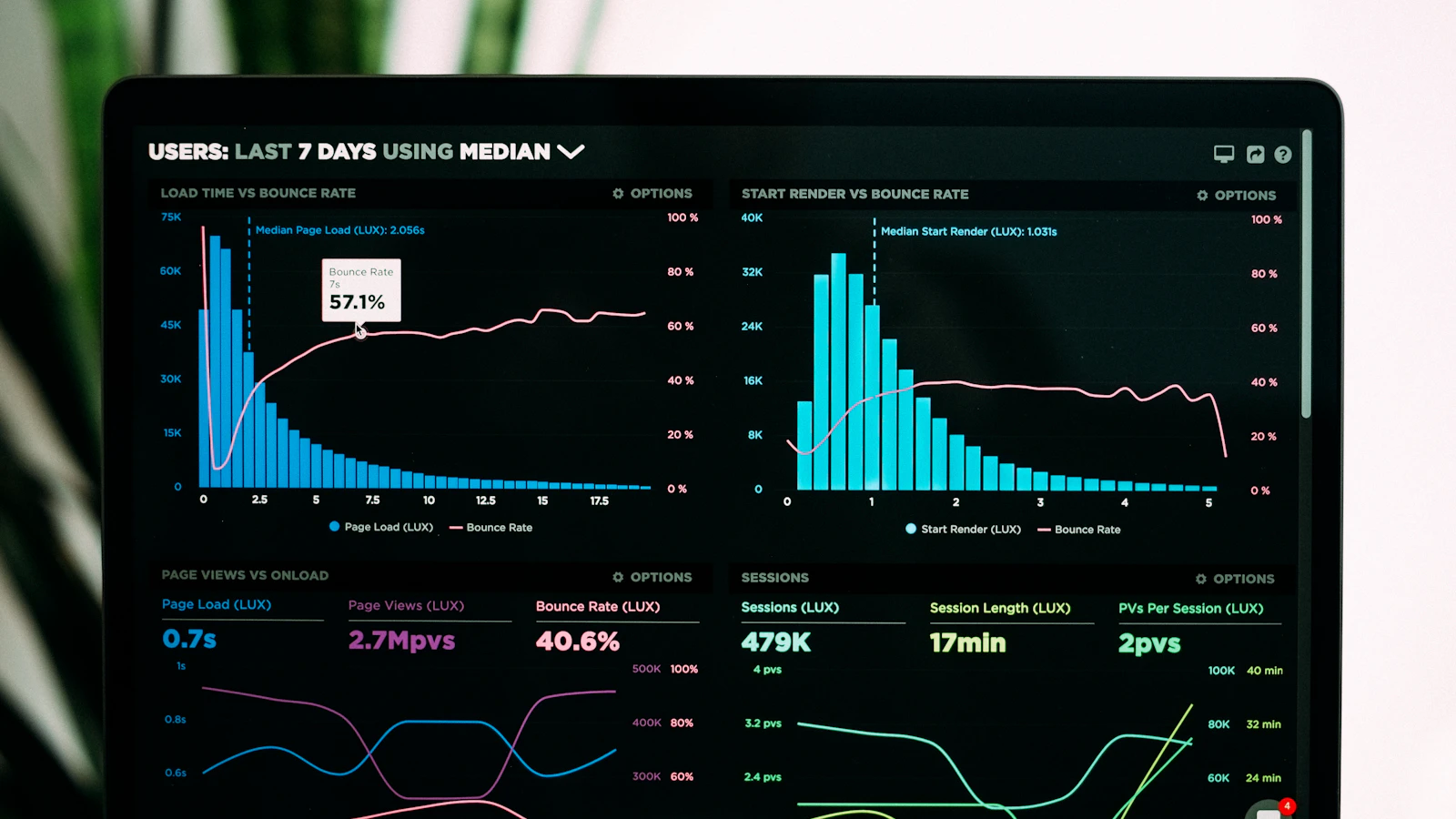
Your client doesn't need another dashboard. They need to know what to do next. A live chart of cash, margin, and debtor days is useful. It is not advice. Advice is the sentence after the chart: which problem to fix first, who owns it, and what should have changed by the next review.
This article is for accountancy partners who are being asked to "add reporting" and are tempted to answer with a prettier pack. It separates interpretation and commercial advice from reporting-only delivery, and it shows what a next-step review looks like when the numbers are already on the screen.
Why another dashboard feels like progress
Dashboards answer a narrow question well: what is the number right now? Cloud ledgers, bank feeds, and practice software made that question cheap. Partners can stand up a cash graph in an afternoon. Directors nod. The firm feels modern. The meeting still ends without a decision.
Reporting-only solutions sell visibility. They aggregate, visualise, and export. They struggle with the questions directors actually bring to their accountant:
- Which of these red metrics should we act on this month?
- What happens to cash if we hire before the April pipeline is signed?
- Who owns the response, and how will we know it worked?
- What did we agree last time, and did we do it?
Those questions are commercial advice. A dashboard cannot close them. Management accounts cannot close them either if the pack stops at variance commentary. The gap from numbers to a next step is where advisory lives, which is why management accounts are not the same as business advisory.
Interpretation is the service, not the chart
Clients already have data. Many already paste figures into a public chat tool before the review and arrive with a fluent explanation that may be wrong. They still want the firm in the room, because the firm knows the covenant, the related-party loan, and the hiring plan that slipped.
ICAEW's guidance on building an advisory culture is useful here. Advisory is not a separate product reserved for corporate finance. It is the advice and support you offer once you can see, in the numbers, where the client is not doing well. That is interpretation. It is also a commercial conversation: cash, pricing, capacity, and risk, not a tour of widgets.
Xero's Modern Practice Playbook (August 2026, 520 UK accountants and bookkeepers, fieldwork 7–26 May 2026) puts a margin on that conversation. Advisory carries the highest profit margin of any service UK firms offer, at 51%. Financial reporting is already offered by 69% of practices. Client advisory services sit at 54%. The reporting layer is common. The advice layer is where the profit sits, and it is still missing in nearly half of firms.
If your "advisory" deliverable is a dashboard login and a smile, you are in the reporting group. Directors will compare you with every other chart they already ignore. If the deliverable is a named next step, with an owner and a date, you are in the advice group. That is the distinction from reporting-only tools, and from the PDF habit covered in why clients don't need another quarterly PDF.
What "what to do next" looks like in a monthly review
A next-step review does not start with twenty charts. It starts with last month's decision, then uses the numbers as proof.
- Open on the action, not the pack. What did we agree? Who owned it? What moved?
- Pull three metrics that explain the result. Cash, margin, and one operational KPI the director already cares about. Leave the rest in the workspace.
- Name one commercial question. Hire or wait. Raise prices or cut a job. Chase debtors or change terms. One question per meeting.
- Write the next step in the room. Owner, date, and the metric that will prove it. That is the missing step from numbers to action.
- Stop. If the director wants another chart, send them the live view after the meeting. Do not spend the slot rebuilding it.
Treat the figures as this firm's own assumptions. A £3.1 million trades client arrives with a 14-tile dashboard and a 22-page pack. Debtor days have sat at 58 for four months. The partner used to walk through every tile. After the agenda change, the meeting opens on the unpaid invoices over 60 days, names the operations director as owner, and sets a 45-day target for the next review. Two months later debtor days are 46. The dashboard was already there. The advice was the missing product.
| Leadership question | Reporting-only dashboard | Commercial advice |
|---|---|---|
| What is the number? | Strong | Strong, from the same ledger |
| Which problem comes first? | Weak (the director guesses) | Named in the meeting |
| Who owns the response? | Often unclear | One named person |
| What did we decide last time? | Not captured | Logged beside the metric |
| What work follows a red number? | Another export | An action with a date |
| What the client is paying for | Visibility | A next step they can take |
Keep the dashboard. Stop selling it as the service. The service is interpretation plus a commercial recommendation the director can act on before the next close. Directors who want more charts can read why more dashboards do not mean more clarity. Your job is different: sit on the client side of that screen and say what to do.
Common mistakes
- Calling a dashboard login "advisory" in the proposal
- Opening the meeting on charts instead of last month's actions
- Showing twenty metrics because the data is available
- Leaving the "so what" as a verbal aside that never reaches the note
- Letting managers rebuild packs instead of writing one recommendation
- Buying another reporting tool when the gap is commercial advice
- Equating a prettier visualisation with a better client outcome
Keep the live numbers, attach the next step
Directors still need a live view. They do not need you to compete with BI tools on chart volume. They need the numbers beside the priority, the owner, and the follow-up, so the review can stay on the decision.
Practices using Elevale put that in a branded client workspace: live KPIs from the ledger, the quarter's priorities, and the actions from the last meeting in one place. Managers prep interpretation, not another export. Partners join for judgement calls. See how accountants and financial advisers run that rhythm, and how the Partner Programme lets the practice offer it under its own brand.
Frequently asked questions
Do we stop sending dashboards? No. Stop treating the dashboard as the product. Keep a short live view the director can open between meetings. Spend the meeting on the next step.
What if the client asks for more charts? Offer a drill-down after the decision, not instead of it. If they only want reporting, price reporting. Do not give advice away inside a dashboard fee.
Is this just management accounts with a login? Management accounts explain what happened. Advisory decides what to do next and checks whether they did it. Same ledger, different wrapper, different fee.
Can a client manager run this, or does it need a partner? A manager can run a standardised next-step review once the agenda, the three metrics, and the action log are fixed. Partners take the commercial calls that change the plan. That is how you avoid a practice-owner bottleneck.
How is this different from a BI tool? A BI tool shows the number. It does not name the problem, the owner, or the date. Clients pay you for the sentence after the chart.
Next steps
- This week, pick one advisory meeting and open on last month's action before any chart.
- Cut the visible metrics to three, and write one commercial question on the agenda.
- Close with an owner, a date, and the metric that will prove the next step.
- If the meeting still collapses into a pack walkthrough, read how to stop advisory meetings becoming another management accounts review.
- Pull the service design together in the business advisory playbook for accountancy firms.
Your client doesn't need another dashboard. They need to know what to do next. Keep the live numbers. Sell the recommendation.